30 Autumn Journal Prompts for Cosy Reflection
Autumn gives you permission to slow down. The evenings close in earlier, the air turns sharp, and suddenly a blanket and a mug of something hot seem like a reasonable plan for the whole evening. It is a season built for reflection — the trees are busy letting things go, and you can follow their lead.
Journalling in autumn does not need to be a grand project. Ten minutes at the kitchen table, one prompt and a pen that works is enough to notice what is actually changing in your life, not just in the garden.
The thirty prompts below are grouped by mood. Work through them in order, dip in when a heading catches your eye, or leave the page open and choose whatever suits the evening you are having.
How to Use These Prompts
Treat the list as a menu rather than a to-do list. Thirty prompts in thirty days would defeat the point of a season designed for rest.
- Set a timer for ten minutes. Stop when it rings, even mid-sentence. You will come back to it.
- Keep the pen moving. If you do not know what to write, write "I don't know what to write" until something better appears.
- Write by hand if you can. It is slower, which is the point. A note on your phone is fine if that is what you have to hand.
- Date every entry. Reading October back in January is half the pleasure.
Nobody is marking this, so there are no wrong answers. If a prompt does not fit your week, skip it and take the next one.
Prompts 1–8: Noticing the Season
Start with what is outside the window. These prompts are about tuning in rather than analysing, so keep them light and specific.
- Walk outside for ten minutes and note five things you can see, hear or smell that only happen in autumn.
- Describe the light in your home at five o'clock this week. What does it make you want to do?
- What was the first sign of autumn you noticed this year, and where were you standing when you spotted it?
- Write about a smell that belongs to autumn for you — bonfires, damp leaves, cinnamon, rain on warm pavement.
- Choose one tree near your home. Describe it today, then note what you will check next week.
- What does your body want in autumn that it does not want in summer? More sleep, warmer food, earlier nights?
- List the sounds that have disappeared since August.
- If autumn were a room, what would be in it? Describe the furniture, the temperature, the smell.
Prompts 9–16: Comfort and Cosiness
Cosiness can slide into avoidance if you are not paying attention, so a few of these ask you to be honest about which comforts restore you and which simply fill time.
- Describe your ideal autumn evening in detail, hour by hour, from about five o'clock onwards.
- What is your favourite warm drink, and what memory is attached to it?
- Write about the piece of clothing you reach for every October. Where did it come from, and how long have you had it?
- Which comfort genuinely restores you, and which one just passes the time? Be honest.
- Plan one small, inexpensive treat for this week that feels seasonal — a long bath, a library visit, a new notebook.
- Write about a meal you associate with autumn. Who cooked it? Who was sitting at the table?
- What does "cosy" mean to you now, compared with what it meant ten years ago?
- List five things you can do in twenty minutes or less that make your home feel warmer.
Prompts 17–24: Change and Letting Go
Autumn is the season of the tidy-up: gardens put to bed, wardrobes swapped over, cupboards cleared. These prompts borrow that energy and point it at your own life. Take them gently — if something feels too raw, leave it and come back another day.
- What are you holding on to that has already run its course?
- Write about a change this year that you did not choose. What has it made room for, even accidentally?
- Which habit would you like to shed before the year ends, and what will you put in its place?
- What would you like to finish, close or hand over this season?
- Describe a time you resisted change and it cost you something. Keep it kind — no blame, just detail.
- What are you harvesting? Write about something you worked at that is now paying off, even slightly.
- Write a short letter to your summer self, telling them what you know now.
- What would you like to do differently in the last three months of the year?
Prompts 25–30: Looking Back, Looking Ahead
The nights are long enough now for a little nostalgia, and the end of the year is close enough to start shaping it. These six sit somewhere between memory and plan.
- What did you love about autumn as a child? Which part of that is still true?
- Write about a September or October from your past that you return to often.
- Who would you like to see more of before the year ends? Write down how you will make that happen.
- What do you want this winter to feel like? Choose three words, then explain each one.
- What is one thing you would like to have done by the shortest day of the year?
- Write a note to yourself to read in February. What do you want to remember about right now?
Making Autumn Journalling Stick
The entries that last are the ones attached to an existing habit. Keep the notebook wherever you make your first cup of tea, or beside the chair you sit in once the plates are cleared. Two or three prompts a week is plenty; a daily target usually collapses by the second wet Monday.
If you want a little structure, try this: choose one prompt on a Sunday evening, write for ten minutes, then read back what you wrote last month before you close the book. In December, read the whole season in one sitting. You will spot a pattern you missed at the time — the thing you were worried about in September that quietly resolved itself, or the idea that kept returning until you acted on it.
Short entries still count. One honest sentence is worth more than a page written to impress.
Finally, a word about the harder prompts. Writing about change and loss can bring up more than you expected, and that is not a sign you are doing it wrong. If something you write leaves you feeling low for more than a day or two, put the notebook down and talk to someone you trust — a friend, your GP or a trained listener. Journalling is a useful companion, not a substitute for proper support.
So pour something warm, find a corner that is not the kitchen table, and start with prompt one. Autumn will do the rest.
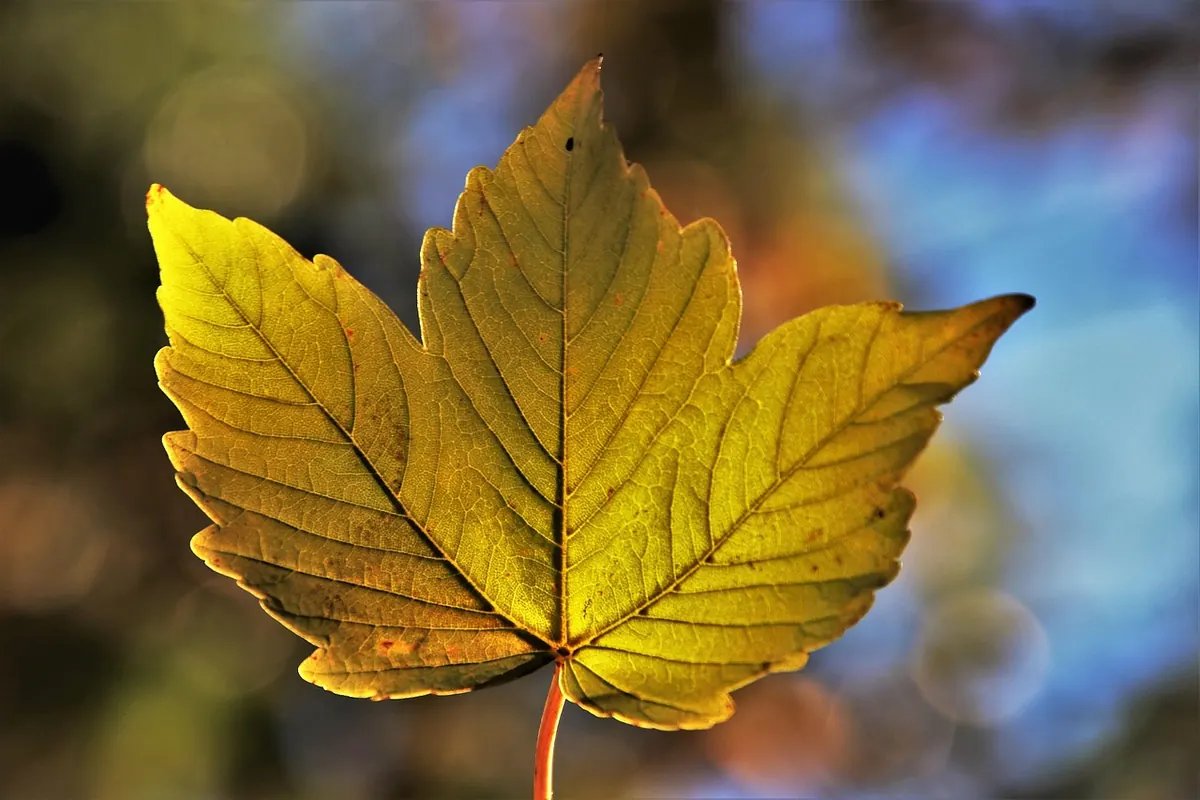
Photo: pasja1000 / Pixabay

The 10-Minute Weekly Journal Reset Checklist
A practical ten-minute weekly journal routine: brain dump, spot the highlights and drains, close one open...

Morning Pages vs Gratitude Journaling: Which Practice Suits You?
A practical comparison of morning pages and gratitude journaling, covering the time, effort and benefits...